Harry Potter Wiki: Harry Potter Reading Guide for Fans
July 21, 2026 | By Felix Pemberton
Searching for "harry potter wiki harry potter" usually means you want a fast, reliable way to orient yourself inside a very large story world. Maybe you are checking Harry James Potter's timeline, comparing the book and film versions of Harry Potter 1, Harry Potter 3, or Harry Potter 5, or trying to remember what a Muggle, a Boggart, a Dementor, Ravenclaw, or a wand wood means. A wiki can help, but only if you know how to read it. This guide shows how to use Harry Potter wiki pages as a map, then connect those facts back to the fun of house identity through a fan-made Hogwarts house quiz.
What a Harry Potter Wiki Page Is Really For
A good Harry Potter wiki is not a replacement for reading the books or watching the films. It is a reference layer: useful when you need names, chronology, relationships, objects, terms, spell categories, locations, production facts, or quick reminders. The best way to use it is to decide what kind of question you are asking before you open ten tabs.
For example, "Harry Potter book wiki" and "Harry Potter film wiki" are different search intents. A book page usually helps with publication order, plot context, themes, and novel-specific details. A film page usually helps with cast, release dates, production, box office, soundtrack, and adaptation differences. A character page is different again: it often organizes biography, family, affiliations, skills, allies, enemies, appearances, and sometimes personality traits.
That matters because wiki pages can feel deceptively complete. Long pages often mix story facts, behind-the-scenes material, community categories, and notes from different media. If you read them as one smooth article, you may miss whether a detail comes from a novel, a film, a game, a stage play, or a later franchise source.
Start With Your Search Intent
Before you choose a page, translate your keyword into a reader task:
- "harry potter wiki" often means a broad series or franchise overview.
- "wiki harry potter film" usually means cast, release, plot, and production.
- "harry potter characters wiki" points toward relationships and biography.
- "harry potter wands wiki" is about magical objects, materials, owners, and wand lore.
- "ravenclaw" or "muggle" usually asks for a concept, group, or worldbuilding definition.
- "harry potter 1 wiki," "harry potter 3 wiki," or "harry potter 6 film wiki" asks for one installment, not the whole saga.
This small step prevents the classic wiki spiral. If your real question is "What happens in Harry Potter and the Order of the Phoenix?" you do not need a full character biography of Dolores Umbridge, a list of every Ministry official, and a deep dive into prophecy. If your real question is "Why does Harry feel like a Gryffindor?" a character page alone will be less useful than a house-values reading.
Read the Infobox, Then the Contents
Wiki pages often begin with an infobox or quick-facts area. Treat it like a compass, not the whole journey. It may tell you the author, book order, release year, film director, actor, house, family, wand, species, or first appearance. Those facts are perfect for orientation.
Then move to the contents list. The contents list tells you what the page thinks its subject is really about. A magic article may move through nature, history, spellcasting, limitations, study subjects, magical items, and the wider wizarding world. A film article may move from plot to cast, production, music, release, reception, and awards. A character page may move chronologically through early life, school years, conflicts, adult life, and appearances.
Use that structure to choose your reading path. For quick recall, read the lead and contents. For a homework-style summary, read the plot or biography section. For fandom discussion, check personality, powers, relationships, house identity, and appearances. For fact-checking, look for notes, references, and source labels.
Character Pages: Harry James Potter, Hermione, Snape, and More
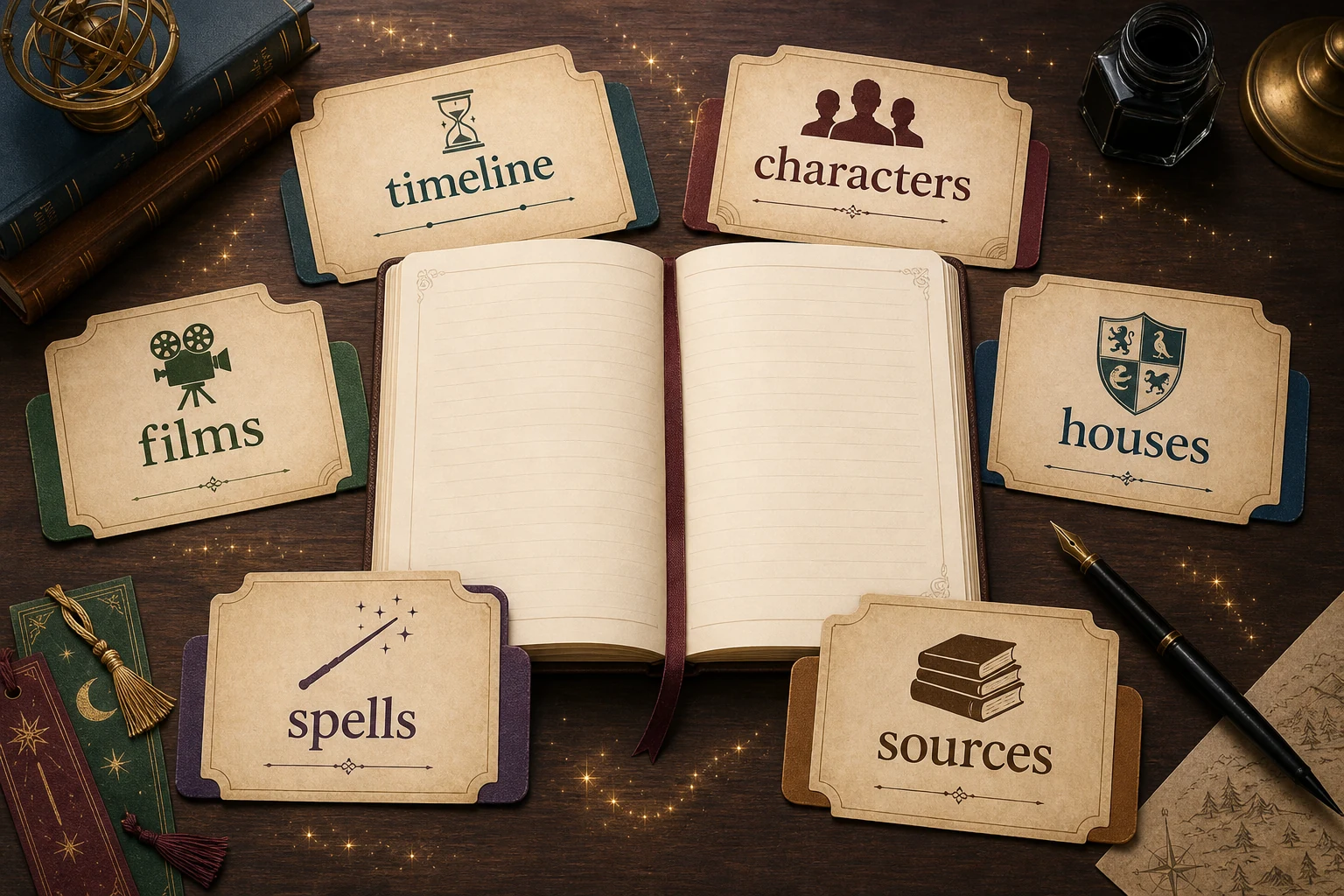
Character searches are the heart of many wiki sessions. Keywords like "harry james potter," "harry potter wiki hermione granger," "severus snape harry potter wiki," "draco malfoy harry potter wiki," and "lord voldemort harry potter wiki" usually mean you want one of three things: a biography, a relationship map, or an interpretation of traits.
Start with the lead paragraph. It should answer who the character is, why they matter, and where they sit in the story. Then check chronology. Harry's page, for instance, naturally moves from childhood with the Dursleys to Hogwarts, the conflict with Voldemort, the Battle of Hogwarts, and adult life. Hermione's page will usually foreground intelligence, friendship, activism, and key achievements. Snape's page often requires more careful reading because his public role, private loyalties, and late-story revelations pull in different directions.
When you read character traits, separate facts from interpretation. "Harry is in Gryffindor" is a story fact. "Harry is brave, loyal, and self-sacrificing" is an interpretation supported by repeated scenes. "Harry is only brave and never strategic" is too narrow. The same goes for Slytherin, Ravenclaw, and Hufflepuff traits: house identity is a useful lens, but it should not flatten a character into one adjective.
This is where a Hogwarts house quiz experience can be a helpful companion. After reading about Harry, Hermione, Draco, Luna, Dumbledore, or Snape, you can reflect on which values actually resonate with you rather than copying a favorite character's house.
Book and Film Pages: Know Which Version You Are Reading
Searches like "harry potter 1 wiki," "harry potter 3 wiki," "harry potter 5," "harry potter film series wiki," and "harry potter deathly hallows part 2 wiki" can send you to book pages, film pages, or general franchise pages. Check the title carefully. A page about "Harry Potter and the Philosopher's Stone" may be about the novel; a page about "Harry Potter and the Sorcerer's Stone" may reflect the U.S. title or film context; a page about "Prisoner of Azkaban (film)" is about the 2004 movie adaptation.
For books, look for publication order, plot, chapter structure, themes, major characters, and first appearances. For films, look for director, screenplay, cast, release dates, runtime, production, reception, and adaptation notes. IMDb-style searches are usually about cast, crew, ratings, and production metadata, while wiki searches are better for story context and cross-links.
Adaptation differences matter. A film page can tell you what the movie emphasizes, but it may not preserve every subplot, line, or explanation from the book. A book page may clarify story logic that the film moves through quickly. If a detail feels surprising, check whether it belongs to the novel, the movie, a game, a companion text, or a fandom interpretation.
Worldbuilding Pages: Magic, Wands, Houses, Creatures, and Muggles
Worldbuilding searches can be the most rewarding because they connect small details into a larger system. "Magic" pages may cover what magic can do, how it is learned, its limits, spellcasting, magical education, magical items, and the divide between magical and Muggle worlds. "Harry potter wiki wands" or "wand woods harry potter wiki" usually leads to material about wand cores, woods, owners, and symbolic associations. Creature searches such as "basilisk harry potter wiki," "dementor harry potter wiki," "aragog harry potter wiki," or "cornish pixies harry potter wiki" help you understand threat level, appearances, and story function.
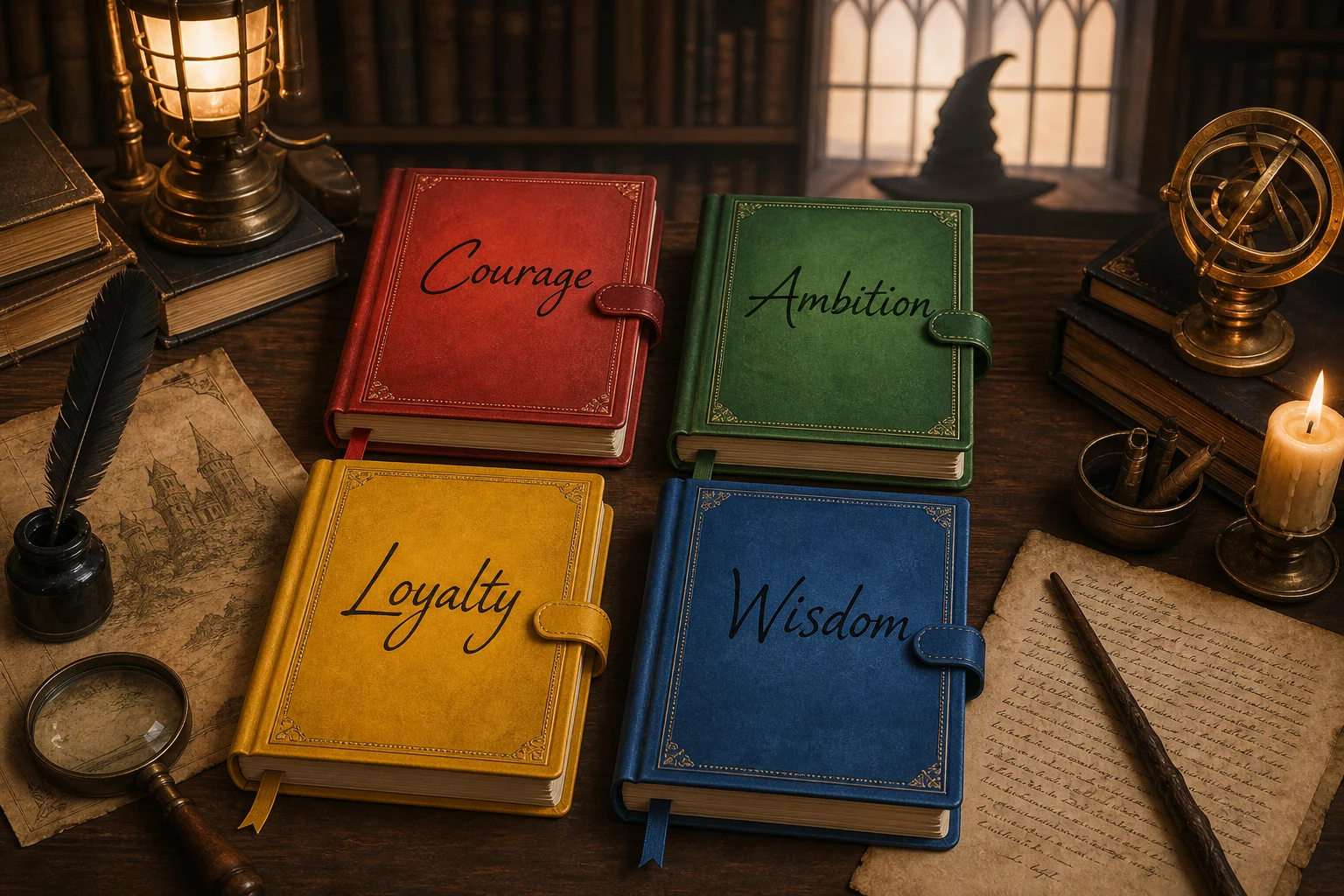
House pages and house-related searches are a little different. "Ravenclaw" is not just a dormitory label; it points toward wisdom, creativity, intelligence, curiosity, and sometimes social independence. "Gryffindor" tends to focus on courage and nerve. "Hufflepuff" points toward loyalty, patience, fairness, and work ethic. "Slytherin" points toward ambition, resourcefulness, leadership, and self-preservation.
When you connect worldbuilding to house identity, avoid treating one trait as destiny. A Ravenclaw can be brave. A Gryffindor can be strategic. A Hufflepuff can be ambitious. A Slytherin can be deeply loyal. The more interesting question is which value tends to guide choices when values compete.
A Practical Reading Method for Any Harry Potter Wiki
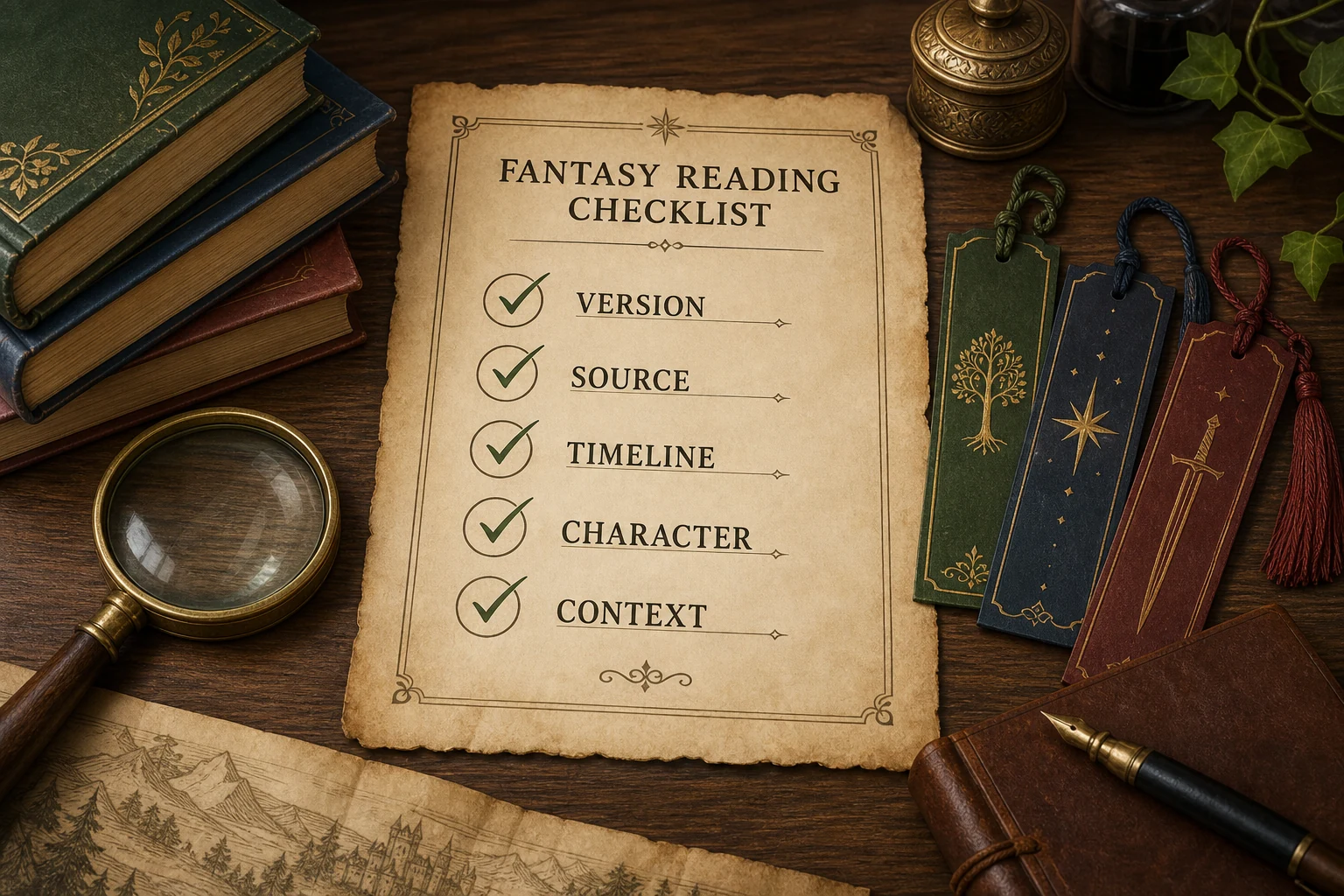
Use this five-step method when you land on a large page:
- Read the title and first paragraph to confirm you are on the right version.
- Scan the infobox for quick orientation, but do not stop there.
- Use the contents list to jump to the exact section you need.
- Check whether the page separates books, films, games, behind-the-scenes notes, and appearances.
- Read references or source notes before repeating a detail as fact.
This approach works for simple questions and deep fandom research. If you want the answer to "Who is Colin Creevey?" you may only need the lead and appearances. If you want to understand why the Boggart lesson matters, you may need the creature page, the class context, and the relevant book or film page. If you are tracking Avada Kedavra, the Elder Wand, or Tom Riddle's past, you will need to move carefully among spell, object, character, and timeline pages.
A wiki is best used as a web of clues. It is fast, searchable, and generous, but it rewards readers who pause before making big claims.
Common Mistakes to Avoid
The first mistake is mixing canon layers. Not every page treats novels, films, games, interviews, and later franchise materials with the same boundaries. When a detail matters, look for where it comes from.
The second mistake is reading a community wiki as an official website. A Harry Potter official website search usually points toward official franchise channels, while Fandom or other community wikis are collaborative reference spaces. Both can be useful, but they serve different purposes.
The third mistake is using a wiki to replace the story. A plot summary can remind you what happened, but it cannot give you the full pacing, humor, emotional build, or character voice of the books and films. For English learners searching "Harry Potter English e-book" or "Harry Potter English Online Reading," stay mindful of legitimate access and copyright. Use lawful editions, library options, or authorized services rather than unofficial copies.
The fourth mistake is treating house labels as personality verdicts. A house can give you a language for values, but it is still a fandom lens. It should feel playful, reflective, and open-ended.
Turning Wiki Facts Into House Reflection
Once you have used a Harry Potter wiki to sort facts, the next step is more personal: which patterns do you actually care about? Harry's courage is obvious, but his loyalty and stubborn hope matter too. Hermione's intelligence stands out, but her moral conviction and work ethic are just as important. Draco's ambition is visible, but his fear, family pressure, and late uncertainty complicate easy labels. Luna may feel Ravenclaw, yet her kindness and steadiness are part of her appeal.
Try this quick reflection:
- Which character choice do you admire even when it is difficult?
- Which house value do you notice first: courage, ambition, loyalty, or wisdom?
- Which magical subject would you study for joy rather than status?
- Which flaw do you recognize in your favorite character?
- Which house would challenge you to grow?
For a light, fan-made way to explore those questions, you can review a Harry Potter house quiz and treat the result as a conversation starter rather than an official identity certificate. That keeps the magic fun while leaving room for nuance.
FAQ
What does "harry potter wiki harry potter" usually mean?
It usually means the searcher wants a general Harry Potter reference page or a starting point for the wider wiki. From there, you can narrow the task to characters, books, films, houses, spells, magical creatures, objects, or locations.
Why is Harry Potter wiki in past tense?
Many fan wikis describe fictional events in past tense because the story events have already happened within the published narrative timeline. Past tense also helps biography-style pages summarize a character's life, choices, appearances, and relationships as a completed record.
What age did Hermione get pregnant?
The main Harry Potter novels do not describe Hermione's pregnancies in detail or give a clear age for them. Later material identifies Hermione and Ron as parents of Rose and Hugo, but a precise pregnancy age is not a useful or firmly established wiki fact.
Is anyone LGBTQ in Harry Potter?
The most commonly discussed example is Albus Dumbledore, whose sexuality has been addressed outside the original seven novels. When using a wiki, check whether a detail comes from the books themselves, author commentary, films, interviews, or later franchise material.
How many times did Hermione cry?
There is no single practical count that all readers use. It depends on whether someone is counting books, films, explicit descriptions, emotional scenes, or wiki summaries. It is better to ask what the scene shows about Hermione than to chase an exact number.
What is a Muggle in Harry Potter?
A Muggle is a non-magical person. Wiki pages about Muggles usually explain the boundary between the magical and non-magical worlds, how secrecy works, and why the term matters socially inside the wizarding world.
Should I use a wiki before taking a Sorting Hat Quiz?
You can, especially if you want to understand Gryffindor, Slytherin, Hufflepuff, and Ravenclaw traits first. Just keep the experience playful. A quiz can help you reflect on house values, but it is not an official canon ruling or a professional personality assessment.